Preparing for Sustainability & Long-Term Relevance
General aviation is entering a period of real change.
The transition away from leaded avgas is gaining momentum, with the United States targeting a phase-out by 2030. For many aircraft, 100LL remains essential today, but that reality is beginning to shift. Replacement fuels are emerging, but they bring questions around certification, availability, and cost. Canadian pilots will feel these changes, whether directly or indirectly.
The FAA and partners in the aviation community launched the EAGLE initiative as the result of a Congressionally mandated report from the National Academies. The EAGLE team’s goal is to eliminate leaded aviation fuels in piston-engine aircraft safely by the end of 2030. – FAA
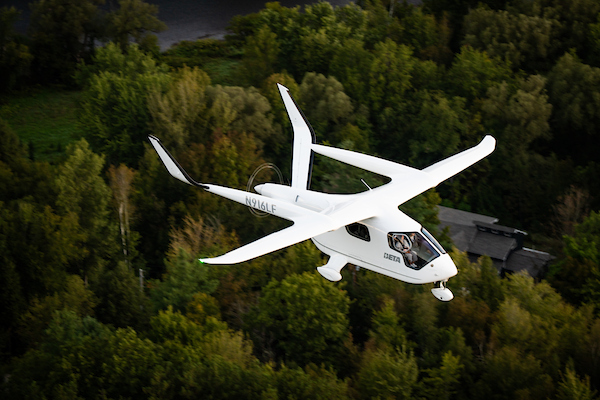
At the same time, the rollout of Advanced Air Mobility is beginning to reshape how airspace will be used and managed. These developments introduce new opportunities, but also new pressures on access, complexity, and integration with existing operations.
In the future, advanced air mobility could become an important part of our transportation system. Eventually, it’s likely that some drones and passenger aircraft will even fly without pilots. – Transport Canada
If COPA is not engaged early in these conversations, decisions will be made without us. That’s not a position we can afford to be in.
We’re already seeing how important that engagement is. Proposals like NPA 2023-005, which examine changes to VFR weather minima, have the potential to directly impact when and how pilots can fly. These aren’t abstract policy discussions; they directly impact whether a flight can be conducted safely and legally.
And this kind of work doesn’t end with a single response. It requires sustained involvement as proposals evolve, because the final outcome is often shaped well beyond the first round of feedback.
At the same time, we need to better understand what’s happening within our own community. Insurance costs are rising. Pilot demographics are shifting. Safety trends continue to evolve.
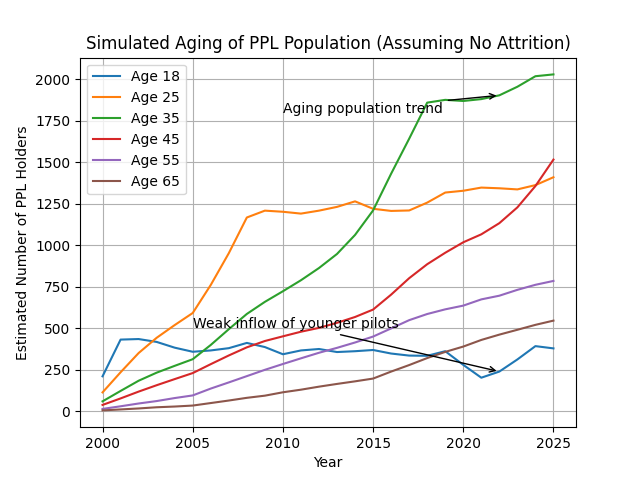
To stay relevant, COPA needs to become more data-informed and forward-looking in how it operates.
That means:
- Tracking membership trends and retention with real data, not assumptions.
- Regularly reviewing governance to ensure the board remains effective and accountable.
- Building clear succession plans so leadership continuity is never left to chance.
This isn’t about reacting to change. It’s about anticipating it.
Organizations that remain strong over time are the ones that stay engaged early and stay engaged long enough to shape the outcome.
Now it’s about making sure we’re ready for what comes next.
If you care about the future of general aviation in Canada, becoming a COPA member is one of the most direct ways to support it. Membership strengthens our collective voice and helps protect the freedoms we value. If you are already a member: Thank You!
Voting in this year’s Board election runs from March 30 and close on April 10, 2026. I encourage all eligible members to take part. Information on how to vote will be sent to your email.