So You’re A Pilot. Now What?
Congratulations! You’ve earned your pilot’s licence. You’ve survived the written exam, mastered your landings (mostly), and can finally take your friends and family flying without an instructor sitting beside you.
You’ve probably already started planning those $200 hamburger runs, weekend getaways, and trips to airports you’ve always wanted to visit.
But eventually, you might find yourself asking: Now what?
What if you could use your newfound skills to do something more than simply fly from one airport to another?
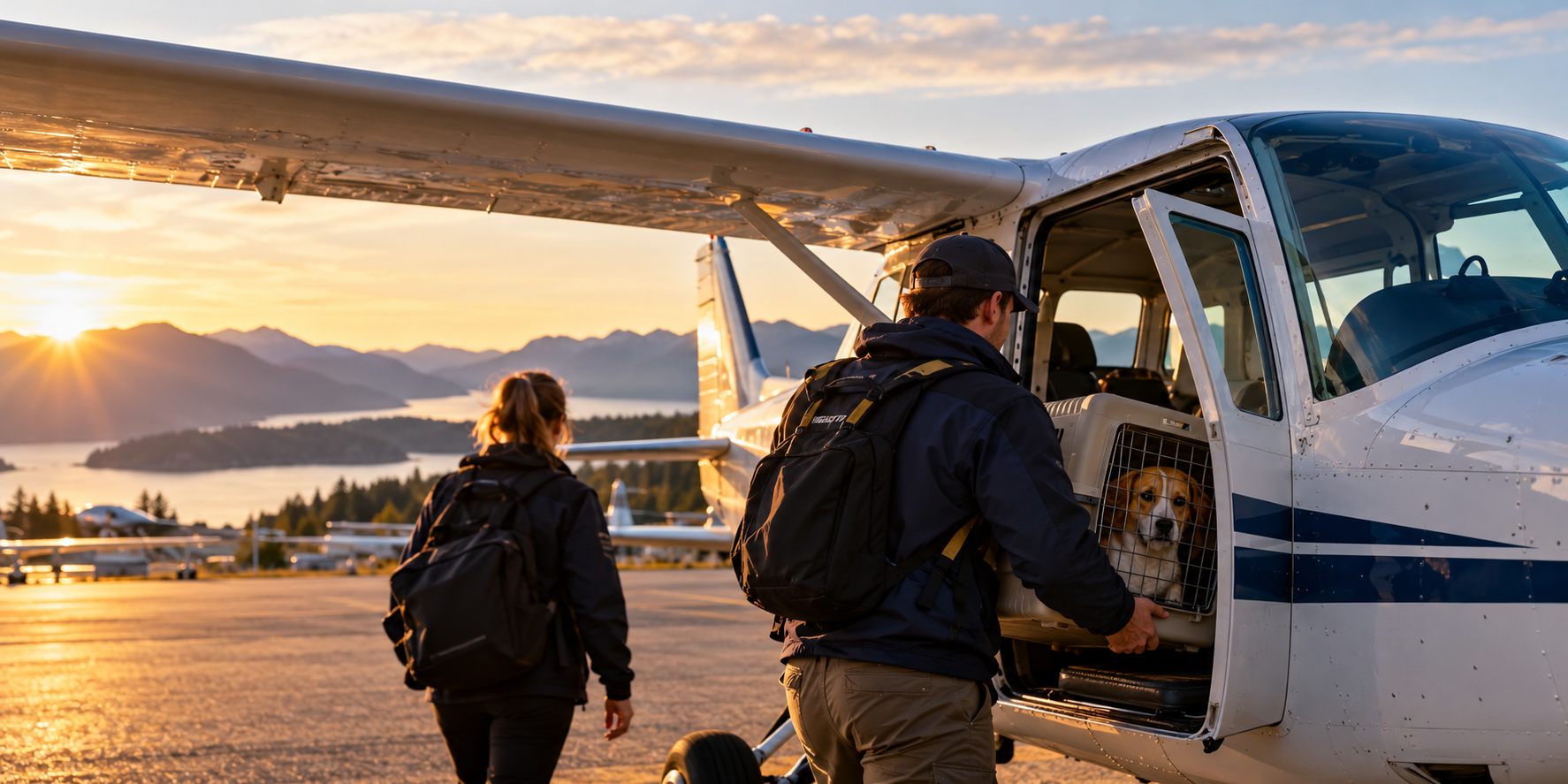
Across Canada, organizations rely on volunteer pilots to transport patients, rescue animals, assist with search and rescue operations, and introduce the next generation to aviation.
And the best part? You don’t necessarily need hundreds of hours of experience, or even your own aircraft, to get involved.
Become a Better Pilot While Giving Back
One of the less obvious benefits of volunteering is that it can actually make you a better pilot.
After earning your licence, it’s easy to fall into a routine. You fly to familiar airports, follow the same routes, and operate in conditions you’re comfortable with. There’s nothing wrong with that, but it doesn’t necessarily help you develop new skills.
Volunteering can provide the motivation to venture beyond that routine.
Flying for organizations like Hope Air or Canadian Wings of Rescue might introduce you to unfamiliar airports, more complex flight planning, and the responsibility of carrying passengers or animals who are depending on you.
Participating in search and rescue exercises with CASARA can strengthen your navigation, situational awareness, communication, and crew resource management skills.
Even volunteering on the ground has benefits. Helping organize aviation events, mentoring student pilots, or working alongside experienced aviators exposes you to different perspectives and approaches to flying.
Perhaps most importantly, volunteering encourages you to think beyond simply getting from point A to point B. You’re learning to plan missions, coordinate with others, manage expectations, and make sound decisions when circumstances change.
Of course, volunteering isn’t an excuse to push your personal limits. A passenger’s medical appointment or an animal awaiting rescue should never pressure you into accepting weather or operational conditions you’re uncomfortable with. Learning when to say no is itself an important part of becoming a better pilot.
The goal isn’t simply to accumulate more hours in your logbook. It’s to make those hours count.
So, where can you get involved?
Use Your Licence to Help Others

Hope Air: Helping Canadians Access Medical Care
Imagine living in a remote community where accessing specialized medical treatment requires an eight-hour drive or an expensive commercial flight.
That’s where Hope Air comes in.
Hope Air helps Canadians access essential medical care by arranging transportation for patients who might otherwise struggle to reach their appointments.
Through its Volunteer Pilot Program, qualified private pilots donate their time and aircraft to transport patients to medical appointments.
The program is geared toward experienced pilots, with minimum flight-time requirements and additional aircraft and operational qualifications.
For pilots who qualify, it’s an opportunity to turn an ordinary flight into something extraordinary.
Learn more: Hope Air
Canadian Wings of Rescue: Giving Animals a Second Chance
If you love animals as much as aviation, this one’s for you.
Canadian Wings of Rescue is a volunteer-run Canadian charity that arranges flights for animals needing transportation to shelters, foster homes, adoptive families, or wildlife rehabilitation centres.
Volunteer pilots provide their aircraft and flying skills to help animals reach places they otherwise couldn’t.
And we’re not just talking about dogs and cats. The organization also helps transport injured wildlife, including birds of prey.
Unlike some medical transport organizations, Canadian Wings of Rescue doesn’t publish a blanket minimum flight-hour requirement for pilot registration. However, pilots must still meet the organization’s operational requirements and applicable aviation regulations.
It’s a particularly interesting opportunity for private pilots looking to combine their love of flying with a worthwhile cause.
Learn more: Canadian Wings of Rescue
CASARA: Search and Rescue
Want to put your navigation and flying skills to the test while helping people in distress?
The Civil Air Search and Rescue Association (CASARA) is a nationwide volunteer organization that supports Canada’s search and rescue system.
CASARA volunteers assist with locating missing aircraft, stranded people, and others requiring emergency assistance.
Volunteers can serve as pilots, navigators, spotters, or ground support personnel.
While acting as a CASARA pilot requires additional experience and qualifications, newer pilots can get involved in other roles, receive specialized training, and work alongside experienced search and rescue personnel.
It’s an excellent way to develop navigation, communication, teamwork, and decision-making skills.
Learn more: CASARA

Angel Flight: Providing Medical Transportation
Similar to Hope Air, Angel Flight organizations arrange free transportation for people who need to travel for medical care.
Two Canadian organizations worth exploring are:
Angel Flight of British Columbia provides transportation for patients requiring medical treatment and services, particularly those travelling from Vancouver Island and surrounding communities.
Angel Flight Alberta connects patients with volunteer pilots who help them reach medical appointments and treatment facilities.
Both organizations generally require experienced pilots, making them opportunities to consider as your flying experience grows.
Inspire the Next Generation
Remember your first flight in a small airplane?
For many of us, that experience sparked a lifelong passion for aviation.
One of the most rewarding things you can do as a pilot is share that experience with someone else.

COPA Discover Aviation: Share the Joy of Flight
Through its Discover Aviation program, the Canadian Owners and Pilots Association (COPA) introduces Canadians to general aviation through free introductory flights and aviation events.
Volunteer pilots provide participants with an opportunity to experience flying firsthand.
You don’t need thousands of hours to participate, although pilots must meet the program’s experience, currency, insurance, and safety requirements.
And if you’re not ready to volunteer as a pilot, there’s plenty to do on the ground. Volunteers help organize events, register participants, marshal aircraft, and coordinate activities.
Who knows? The kid sitting in your right seat today might become an airline captain, aerospace engineer, or lifelong recreational pilot tomorrow.
Learn more: COPA Discover Aviation

The Ninety-Nines: Supporting Women in Aviation
Founded in 1929, The Ninety-Nines is an international organization of women pilots dedicated to advancing aviation through education, scholarships, mentoring, and mutual support.
The organization has chapters across Canada, providing opportunities for women pilots to connect, learn, and give back to the aviation community.
Members participate in aviation education programs, career events, airport activities, scholarship initiatives, and outreach programs encouraging more women and girls to pursue aviation.
For example, the Eastern Ontario Chapter organizes school visits, career fairs, Meet a Pilot events, and introductory flights for girls and young women.
If you’re a woman pilot, whether newly licensed or highly experienced, The Ninety-Nines offer an excellent opportunity to find mentors, build friendships, and help make aviation more accessible.
Membership is intended for women pilots, while opportunities for non-members to support particular events may vary by chapter.
Learn more: The Ninety-Nines
Air Cadet League of Canada: Mentoring Future Aviators
The Air Cadet League of Canada supports the Royal Canadian Air Cadets, helping young Canadians develop leadership skills and an interest in aviation.
With squadrons across the country, there are plenty of opportunities to volunteer.
You might help organize aviation-related activities, support educational programs, participate in community events, or serve on a local sponsoring committee.
You don’t need to be a military pilot or even own an aircraft to contribute.
For private pilots who enjoy sharing their knowledge and enthusiasm for aviation, supporting a local Air Cadet squadron can be particularly rewarding.
Learn more: Air Cadet League of Canada

Experimental Aircraft Association: Young Eagles
Although based in the United States, the Experimental Aircraft Association (EAA) has chapters in Canada.
Its Young Eagles program introduces children aged 8–17 to aviation through free introductory flights.
Volunteer pilots provide the flights, while other volunteers help organize events and support ground operations.
Interestingly, EAA’s general Young Eagles pilot requirements don’t specify a minimum number of flight hours. Pilots must meet the program’s licensing, passenger currency, insurance, and other safety requirements. Canadian pilots should also confirm how the program’s requirements apply to operations in Canada.
Even if you’re not ready to provide flights, joining a local chapter offers opportunities to participate in aviation events, workshops, and educational activities.
Learn more: EAA Young Eagles
Strengthen Canada’s Aviation Community
Not every volunteer opportunity requires getting airborne.
In fact, some of the most important contributions you can make to aviation happen firmly on the ground.
Support Your Local Airport
Many Canadian airports have advisory committees, airport associations, or community groups that provide input on airport operations and development.
Depending on the airport, volunteers may help address issues such as noise management, infrastructure improvements, airport access, safety, and relationships with surrounding communities.
These positions don’t necessarily require extensive flying experience.
In fact, newer pilots can bring valuable perspectives about airport accessibility, flight training, and the challenges facing people entering general aviation.
Contact your local airport operator, municipality, or flying club to find out whether such opportunities exist.
Volunteer at an Aviation Museum
Canada has a rich aviation history, and preserving it requires volunteers.
Organizations such as the Canadian Warplane Heritage Museum in Hamilton and the Canada Aviation and Space Museum in Ottawa offer opportunities to get involved in aviation heritage.
Depending on the organization, volunteers may help restore aircraft, guide visitors, organize educational programs, or maintain historical collections.
For newer pilots, volunteering at a museum is an excellent way to deepen their understanding of aircraft systems, aviation history, and the people who shaped Canadian aviation.
Get Involved With Your Flying Club
Your local flying club is another great place to start.
Many clubs rely on volunteers to organize fly-ins, coordinate safety seminars, maintain facilities, manage communications, and serve on their boards or committees.
You might also help welcome new members, organize group flights, or mentor student pilots.
And there’s a benefit beyond the volunteer work itself: spending time with other pilots is one of the best ways to learn.
You’ll hear about unfamiliar airports, challenging weather decisions, maintenance experiences, and lessons learned from people with very different flying backgrounds.
Sometimes, a conversation over coffee in the clubhouse can teach you something you’ll remember for the rest of your flying career.
Join COPA: Help Protect Your Freedom to Fly
Finally, if you’re a Canadian pilot, there’s one organization I strongly encourage you to support: the Canadian Owners and Pilots Association (COPA).
COPA is Canada’s national voice for general aviation, advocating for the interests of private pilots and aircraft owners.
From protecting access to local airports to addressing regulatory challenges, COPA works to ensure that recreational aviation remains accessible for future generations.
Membership also connects you with a nationwide community of pilots through local COPA Flights, educational programs, events, and advocacy initiatives.
But membership is just the beginning.
Consider joining your local COPA Flight, helping organize a community event, participating in airport advocacy, or volunteering for a committee.
You might even consider serving on a local executive or eventually getting involved in COPA’s national governance.
General aviation faces real challenges, including rising costs, airport closures, regulatory changes, and declining accessibility. Organizations like COPA depend on the participation of pilots who care about the future of flying.
After all, enjoying the freedom to fly is one thing. Helping preserve that freedom for the next generation is another.
Learn more: Join COPA
You Don’t Need 500 Hours to Make a Difference
Some volunteer flying organizations have minimum experience requirements, and understandably so.
Transporting patients or participating in search and rescue missions carries responsibilities that extend beyond an ordinary recreational flight.
But that doesn’t mean you need to wait until you’ve accumulated hundreds of hours before getting involved.
You can volunteer at a local flying club, help organize a COPA Discover Aviation event, join an airport advisory committee, support an Air Cadet squadron, or volunteer at an aviation museum.
These opportunities introduce you to other pilots, expose you to new experiences, and help you become more involved in the aviation community.
And as your experience grows, so do the opportunities available to you.
Before volunteering for any flying mission, make sure you understand the organization’s requirements, your aircraft’s insurance coverage, and the applicable Transport Canada regulations. Volunteering doesn’t automatically exempt a flight from the rules governing private operations, compensation, or reimbursement.
Most importantly, remember that every flight is still subject to your own judgment as pilot-in-command. A worthwhile cause should never become a reason to compromise safety.
Your Licence Is Just the Beginning
Flying is an incredible privilege.
It gives us access to places, experiences, and perspectives that relatively few people ever get to enjoy.
But it also gives us something else: the ability to help others in ways that most people can’t.
Whether you’re transporting a patient to medical treatment, flying a rescued dog to its forever home, searching for someone in distress, or introducing a child to aviation for the first time, there are countless ways to make your flying more meaningful.
You don’t need to volunteer every weekend. You don’t need thousands of hours. And you don’t necessarily need to own an airplane.
Sometimes, all it takes is a little time, a willingness to help, and a love of aviation.
You don’t have to be an experienced pilot to start giving back. Sometimes, volunteering is part of how you become one.